Do I Need Cataract Surgery?

Many people do not realize right away that cataracts are affecting their vision. Changes often happen slowly over time, which is why everyday tasks may start to feel more difficult before you fully recognize the cause.

If driving at night, reading, or seeing clearly in bright light has become more frustrating, cataracts may be playing a role.
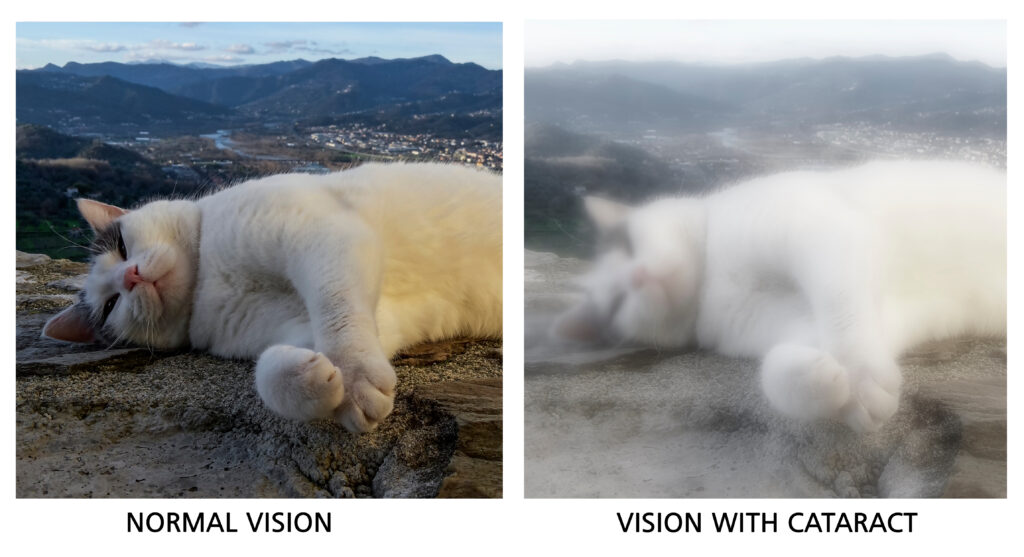

Common Symptoms of Cataracts

If the changes below sound familiar, a cataract evaluation can help determine whether cataracts are the cause.

Quick Self-Check

  • Do I avoid driving at night because headlights feel too bright?
  • Am I struggling to read or use my phone even with glasses?
  • Do colors seem less vibrant than they used to?
  • Have I noticed more glare, haze, or halos around lights?
  • Do I feel like my vision is gradually getting dimmer?
  • Have my glasses stopped helping as much as they once did?

If you answered yes to two or more of these questions, it may be time to schedule a cataract evaluation.

When Is Cataract Surgery Recommended?

Cataract surgery is usually recommended when your vision is affecting your daily life. That may mean difficulty driving, reading, watching television, using a computer, or doing the activities you normally enjoy.

In many cases, the decision depends on how much the cataract is interfering with your routine and whether glasses still improve your vision enough.

You do not have to wait until your cataract becomes “very bad” to discuss treatment. Many patients benefit from learning their options before their symptoms become more disruptive.

Can You Wait to Have Cataract Surgery?

Cataracts do not improve on their own. Over time, they can continue to worsen and make daily activities more difficult.

Waiting too long may also allow the cataract to become more advanced, which can make vision problems more frustrating and, in some cases, make surgery less straightforward than it would have been earlier.

What Cataract Surgery Is Like

Cataract surgery is a common outpatient procedure that removes the cloudy lens in the eye and replaces it with a clear artificial lens. For most patients, the procedure is quick, comfortable, and does not require an overnight stay.

  • Typically completed in a short outpatient visit
  • Minimal discomfort for most patients
  • No lengthy recovery period
  • Vision often improves noticeably after surgery
  • Most patients return to normal activities quickly, based on their doctor’s instructions

Many patients tell us they wish they had addressed their cataracts sooner!

Experienced Cataract Care You Can Trust

Choosing cataract surgery is an important decision. You want an ophthalmologist who will take the time to evaluate your vision carefully, explain your options clearly, and recommend the approach that best fits your needs.

Still Not Sure? Start With a Simple Evaluation

You do not need to decide on surgery today. A cataract evaluation can help you understand whether cataracts are affecting your vision, what your options are, and whether now is the right time to consider treatment.